Reference Library
Articles
286 articles on applying Human Design to work — famous business figures read through their charts, career direction, how your Type operates professionally, teams and leadership, money, and building a practice.
Written by LaVeena B. Archers, PhD over more than a decade of client and teaching work.
Featured Analyses
Penta Team Analyses
Families and founding groups of three to five, read as one working unit: the leadership seats, the shared identity, and the pressure the group puts on each person in it.
-

Elizabeth, Philip, Charles, and Anne: The Firm's Own Penta
-

Kris, Kim, and Khloé: The Penta Nobody Named
-
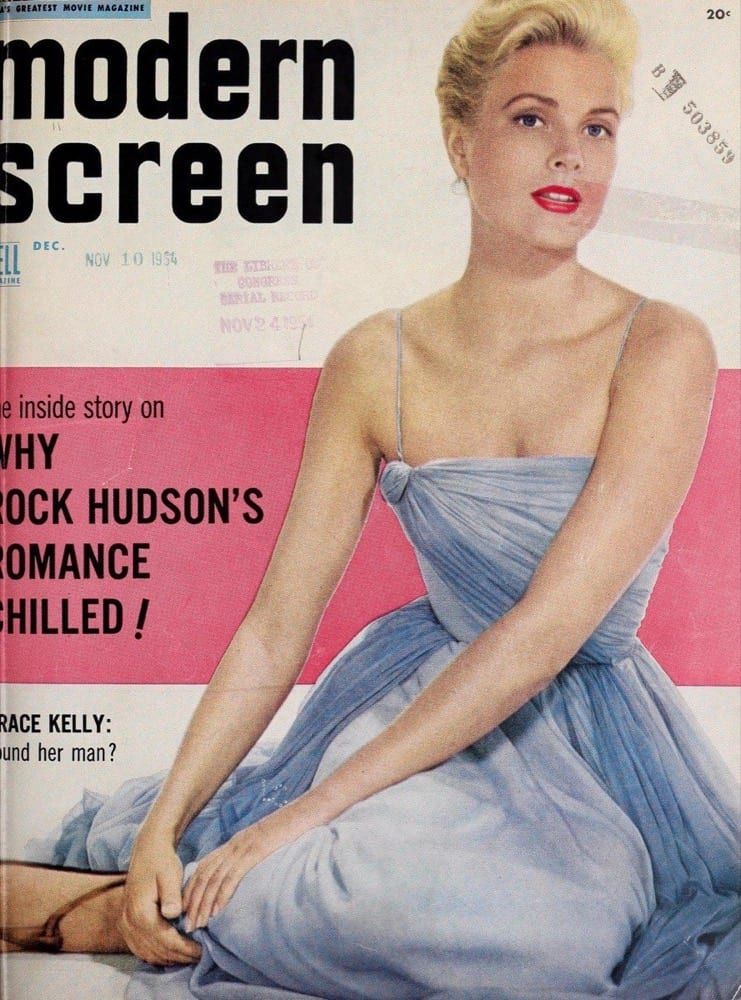
Rainier, Grace, and Their Three Children: Monaco's Palace Penta
-
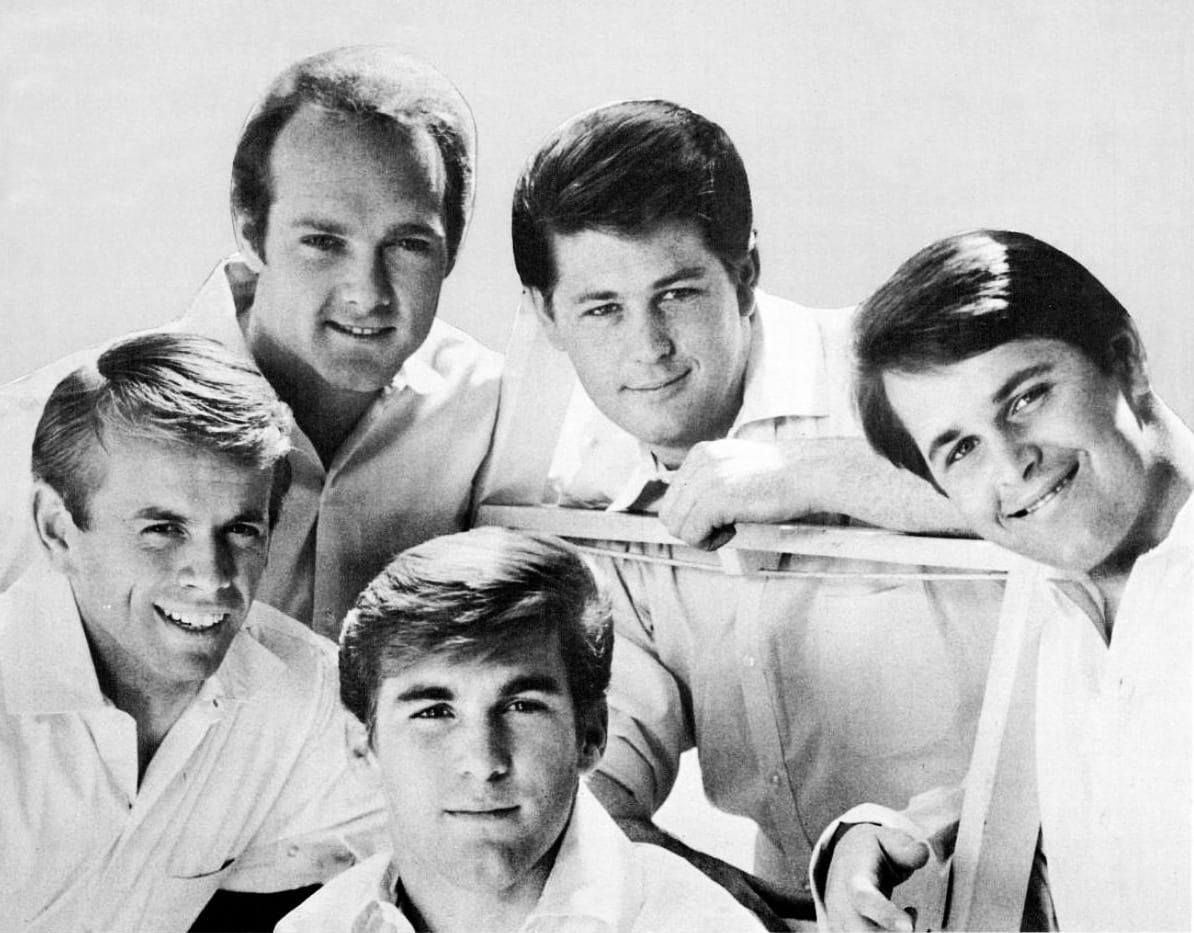
Brian, Dennis, Carl, Mike, and Al: The Beach Boys' Penta
-

Barry, Robin, and Maurice Gibb: The Bee Gees' Penta
Business Figures
Real founders, executives, and investors read through their public design — what the mechanics say about how they actually built what they built.
-
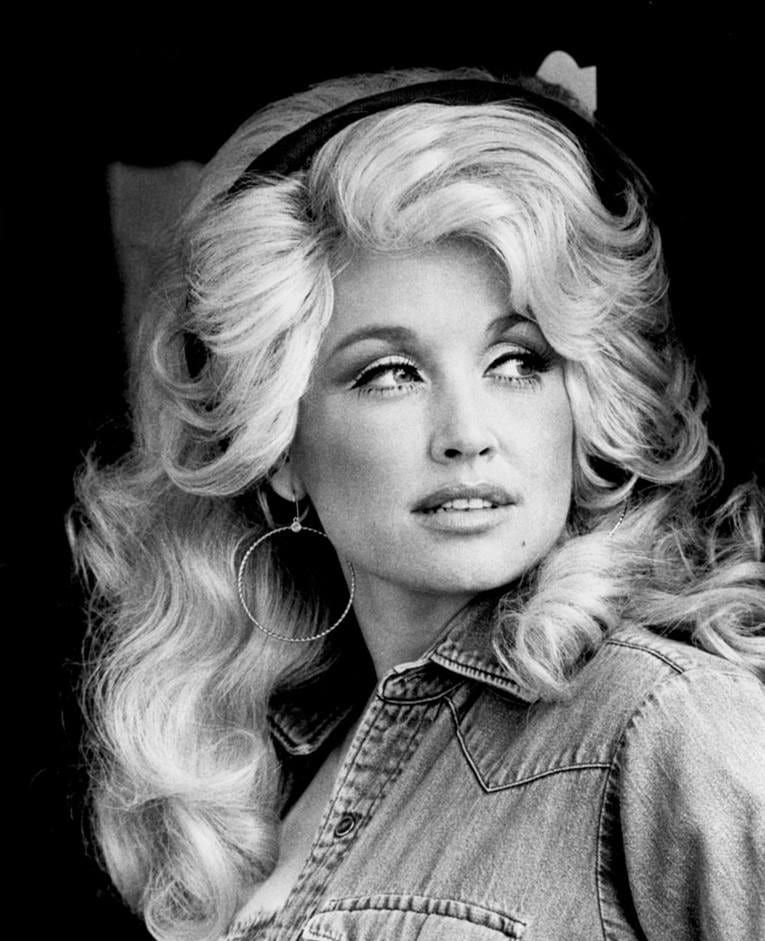
Dolly Parton, Human Design, and the Business Built on a Single No
-

Jessica Alba: The Founder Who Never Took the CEO Seat
-
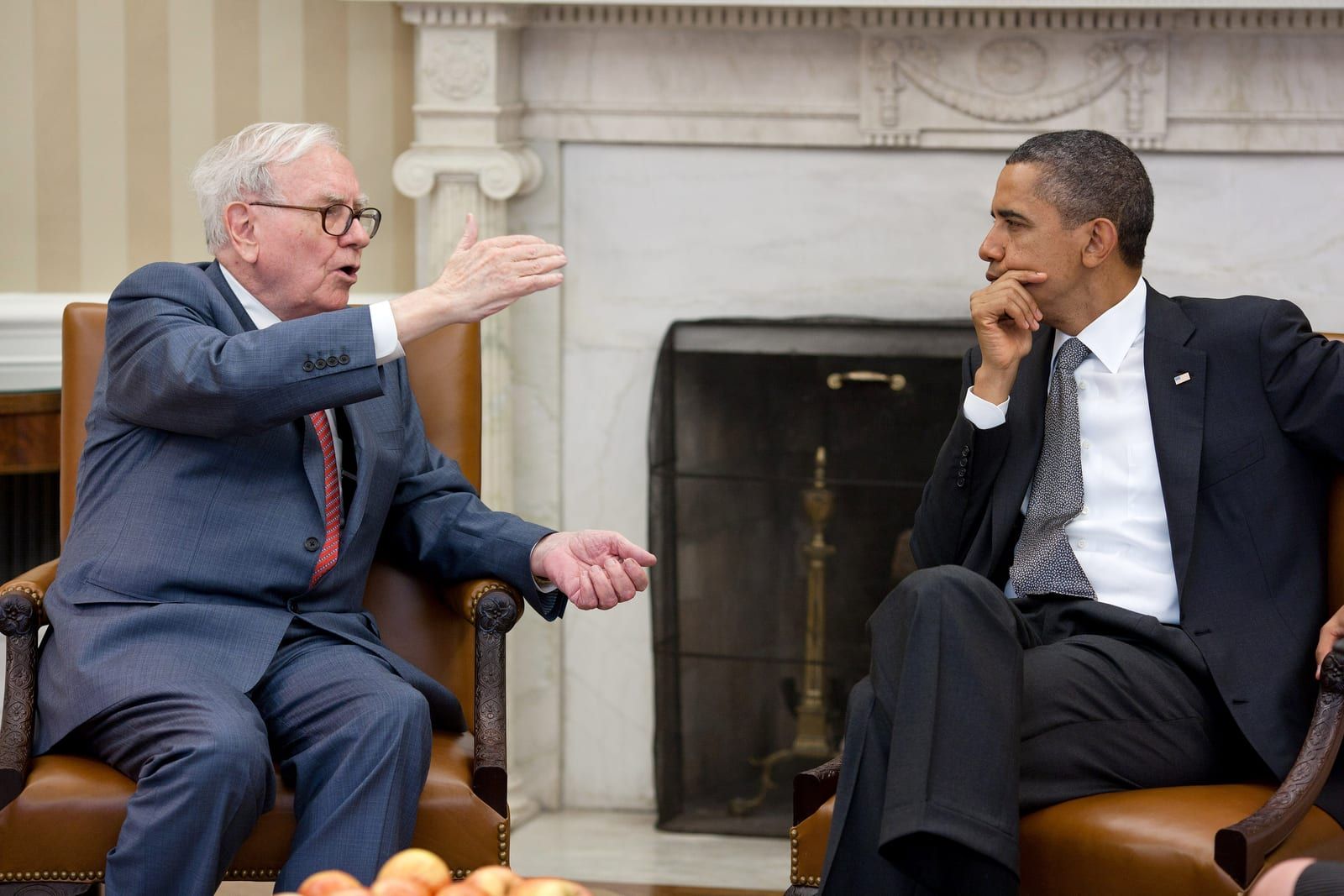
Warren Buffett, Human Design, and the Eighth of a Point That Cost Him the Wave
-

Richard Branson, Human Design, and the Sale He Cried Over
-

Oprah Winfrey, Human Design, and the Show She Refused to Sell
-

Bill Gates, Human Design, and the Deal He Didn't Have to Sell
-
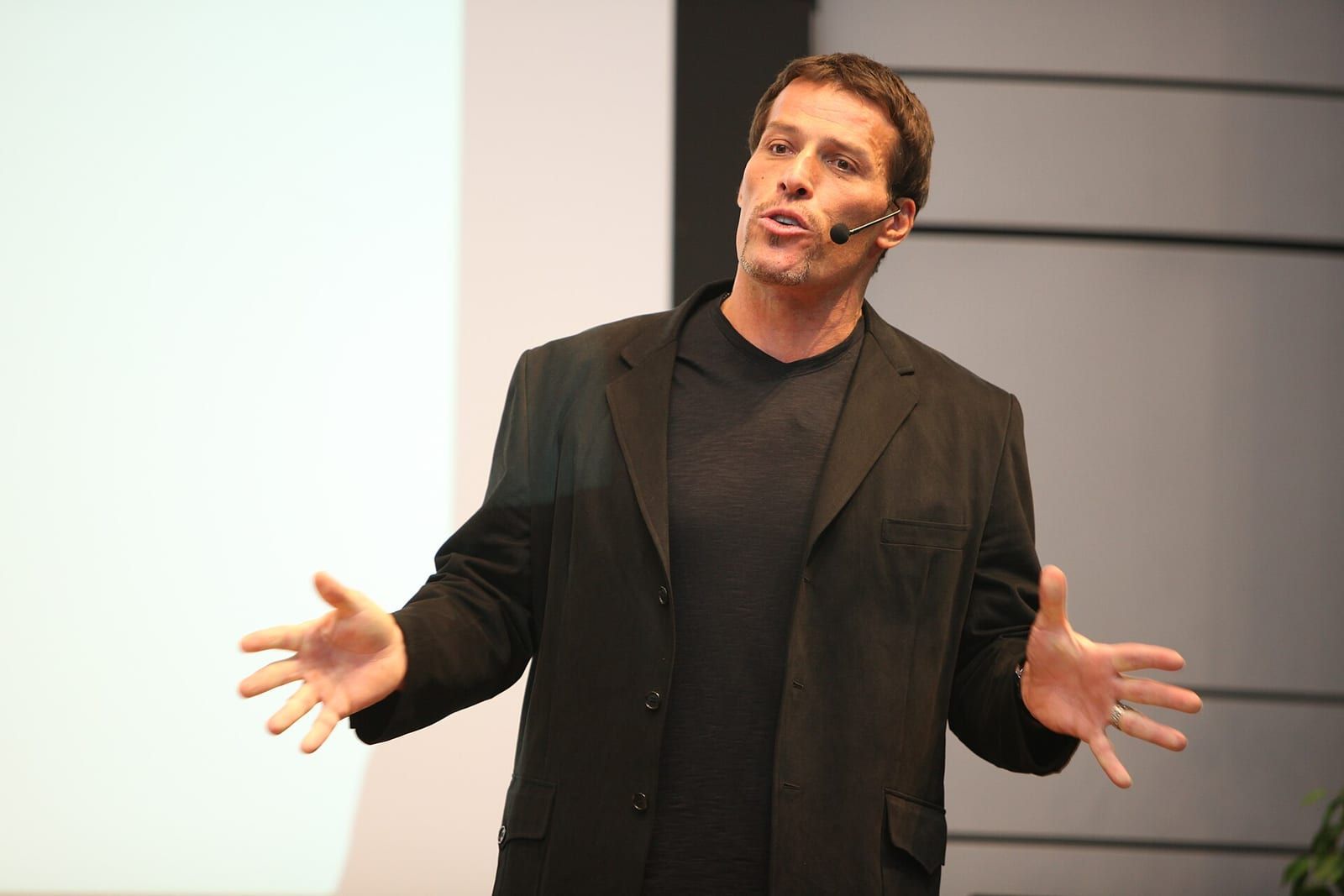
Tony Robbins, Human Design, and the Company He Built to Outlive the Room
-

Steve Jobs, Steve Wozniak, and the Human Design Behind Apple's Founding Partnership
-

Martha Stewart, Human Design, and the Sale That Was Never the Crime
-

Elon Musk, Human Design, and the Rocket He Decided to Build Himself
-
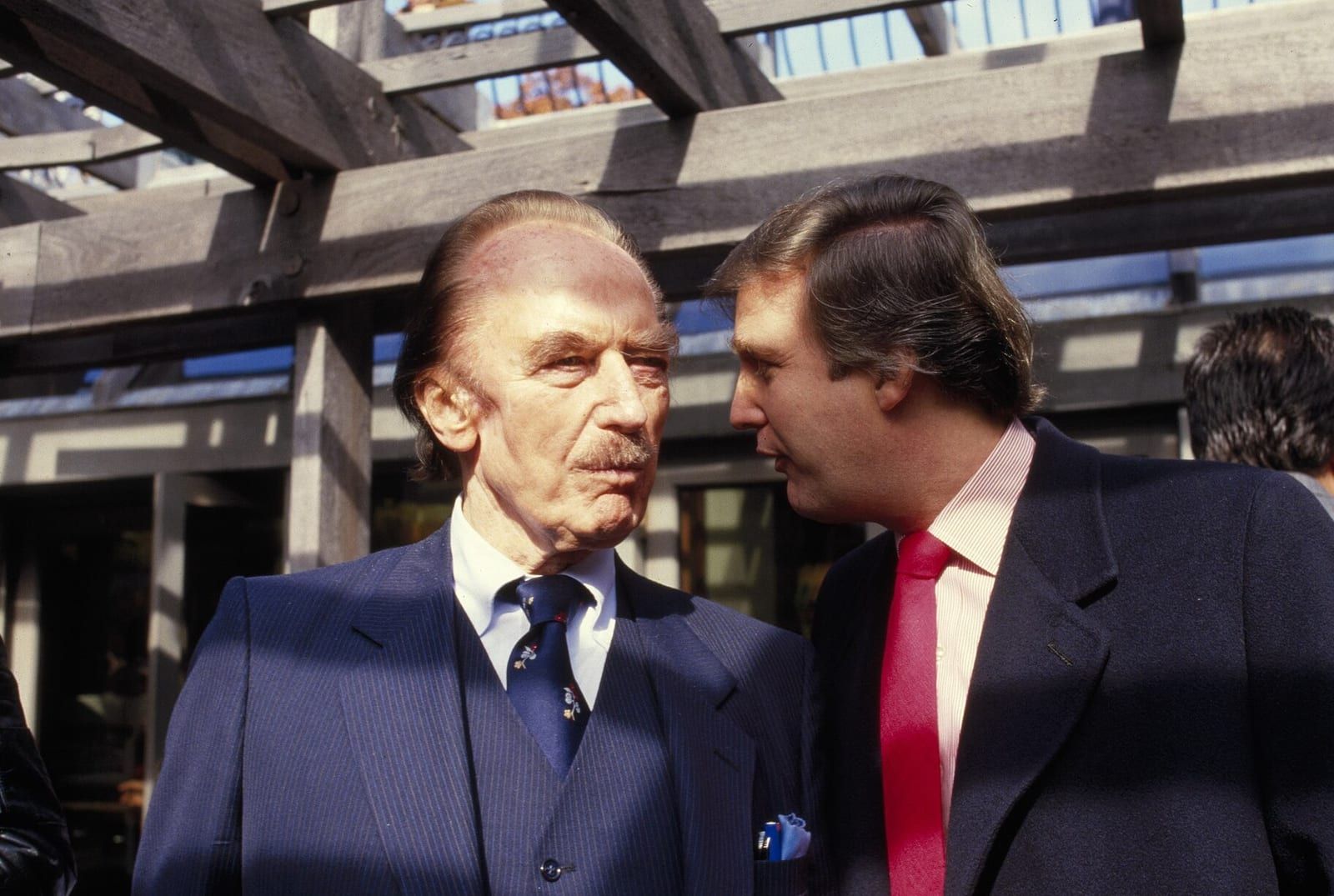
Donald Trump, Human Design, and the Year He Stopped Owning and Started Licensing
-
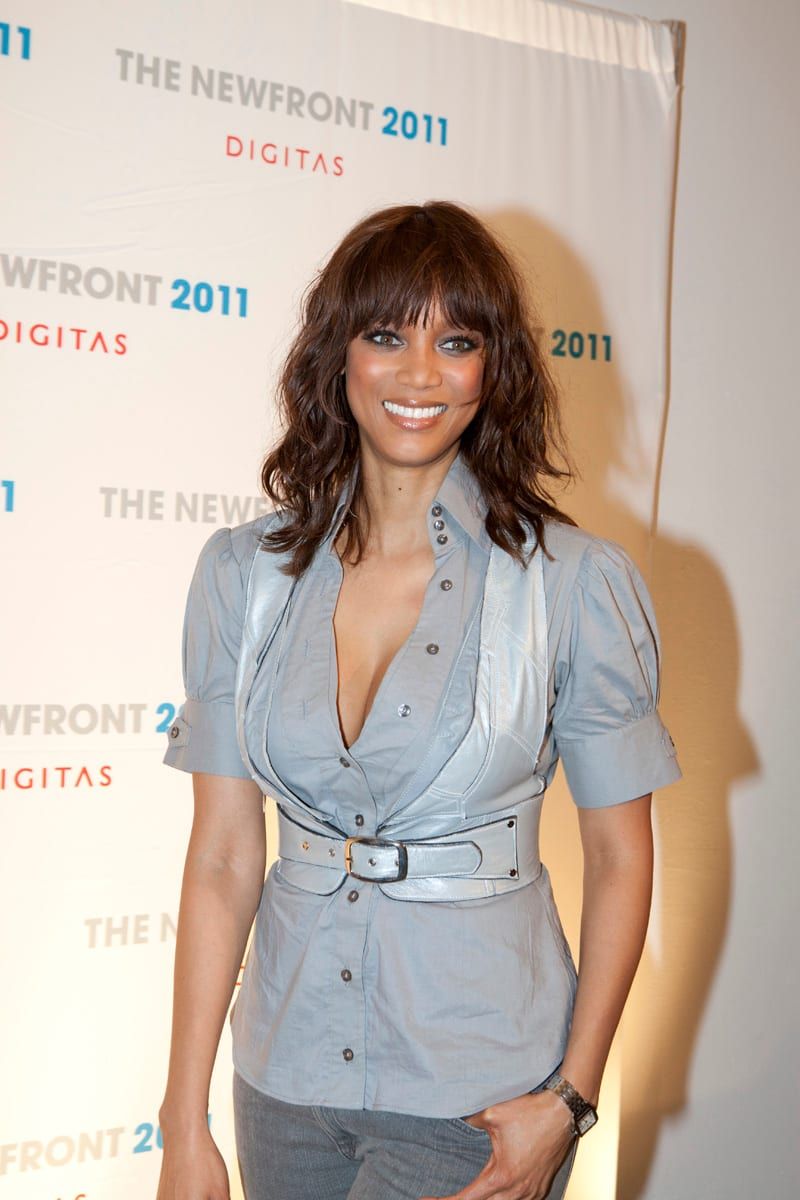
Tyra Banks, Human Design, and the Franchise She Made Sure She Owned
-
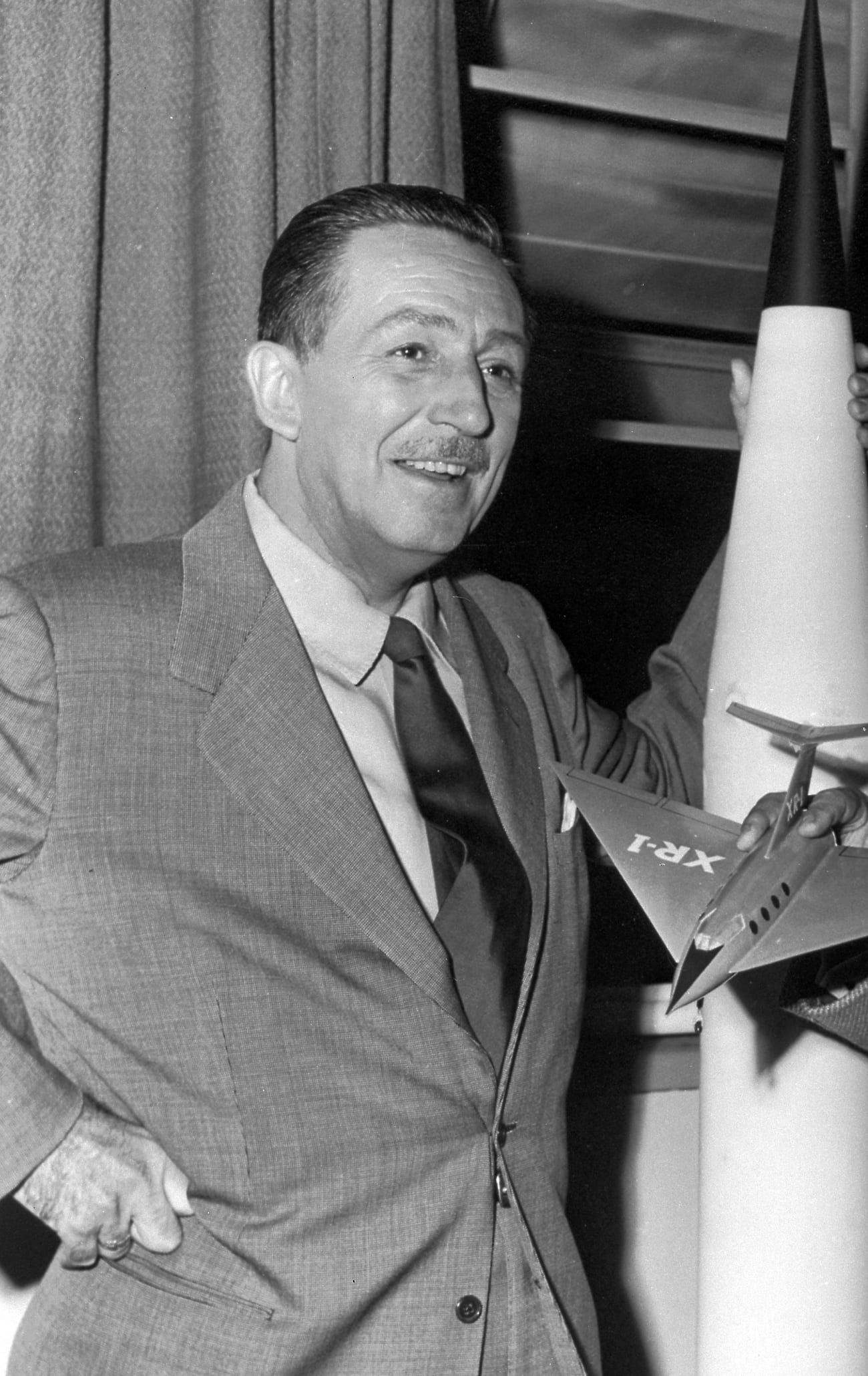
Walt Disney, Human Design, and the Loan He Took Out on His Own Life
-
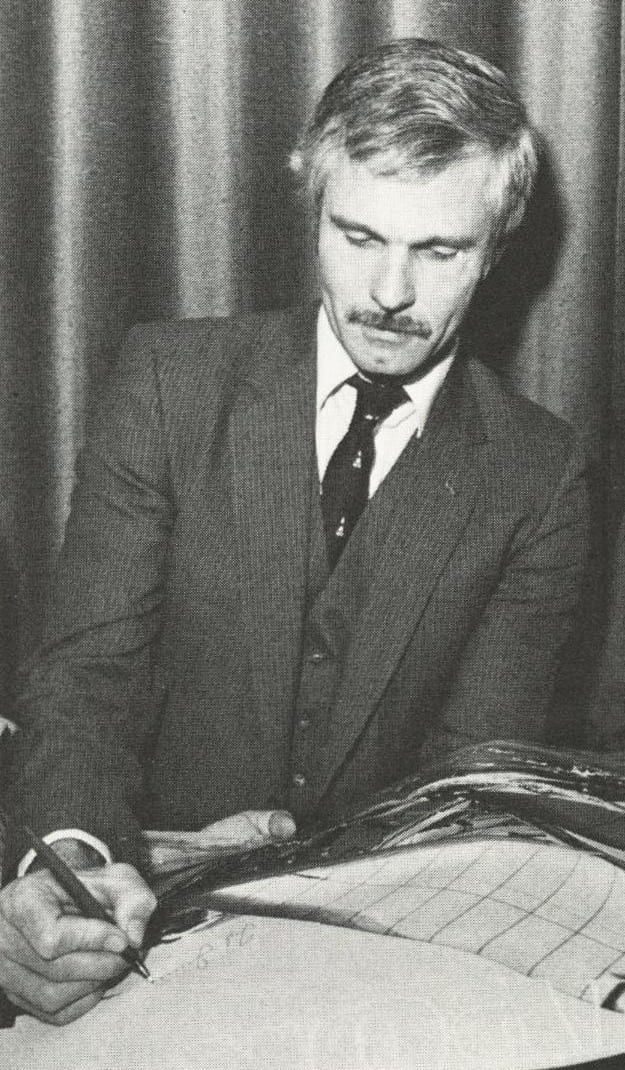
Ted Turner, Human Design, and the Deals He Answered Instead of Starting
-
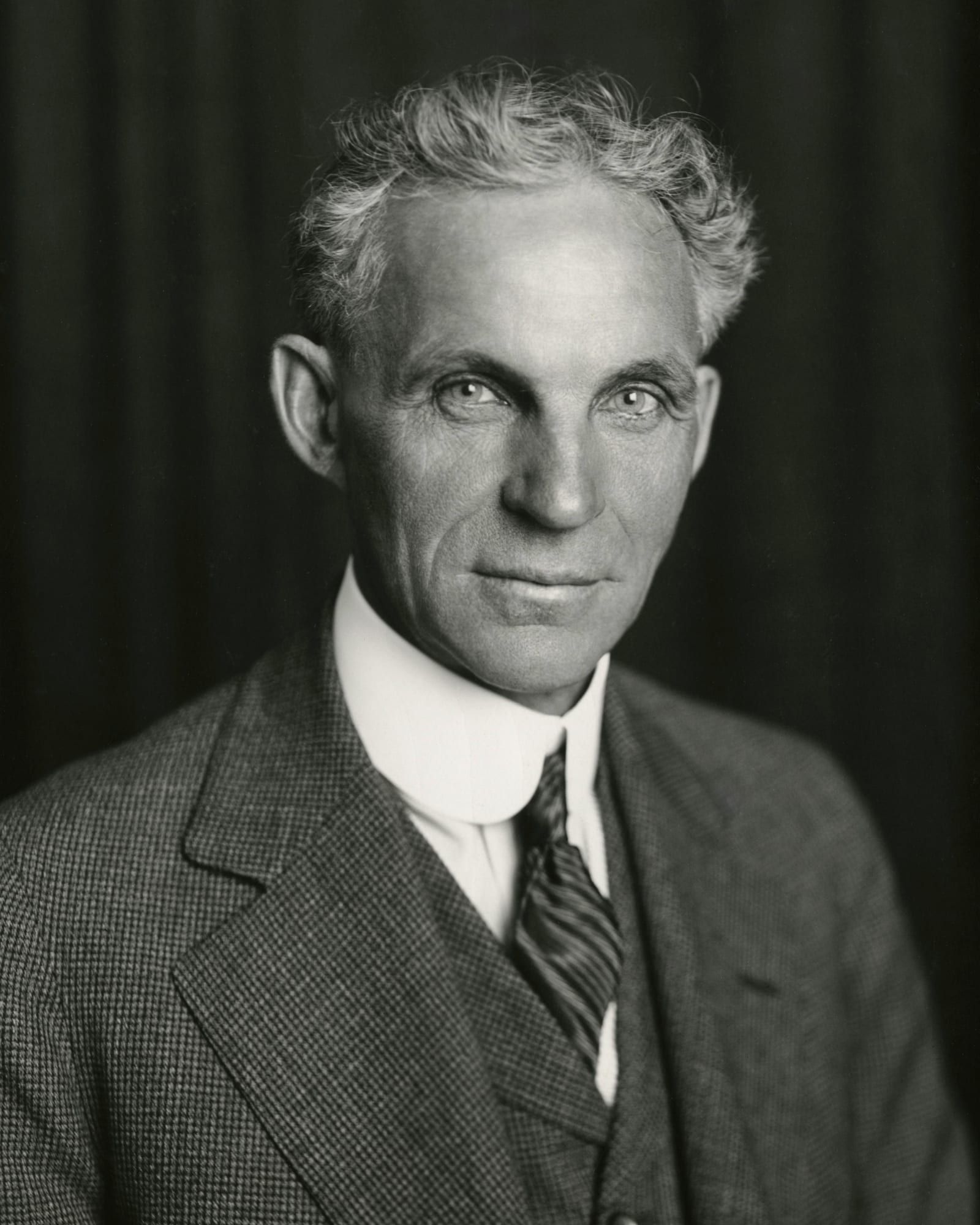
Henry Ford, Human Design, and the Idea He Borrowed From a Slaughterhouse
-
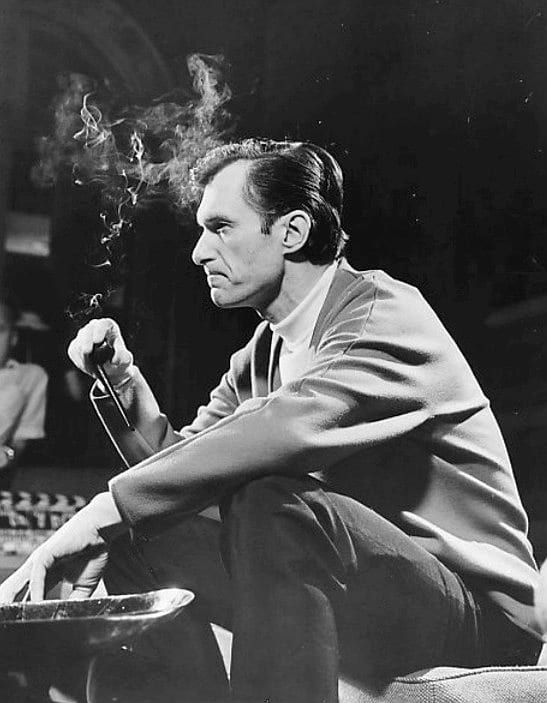
Hugh Hefner, Human Design, and the Magazine He Published Without a Date
-
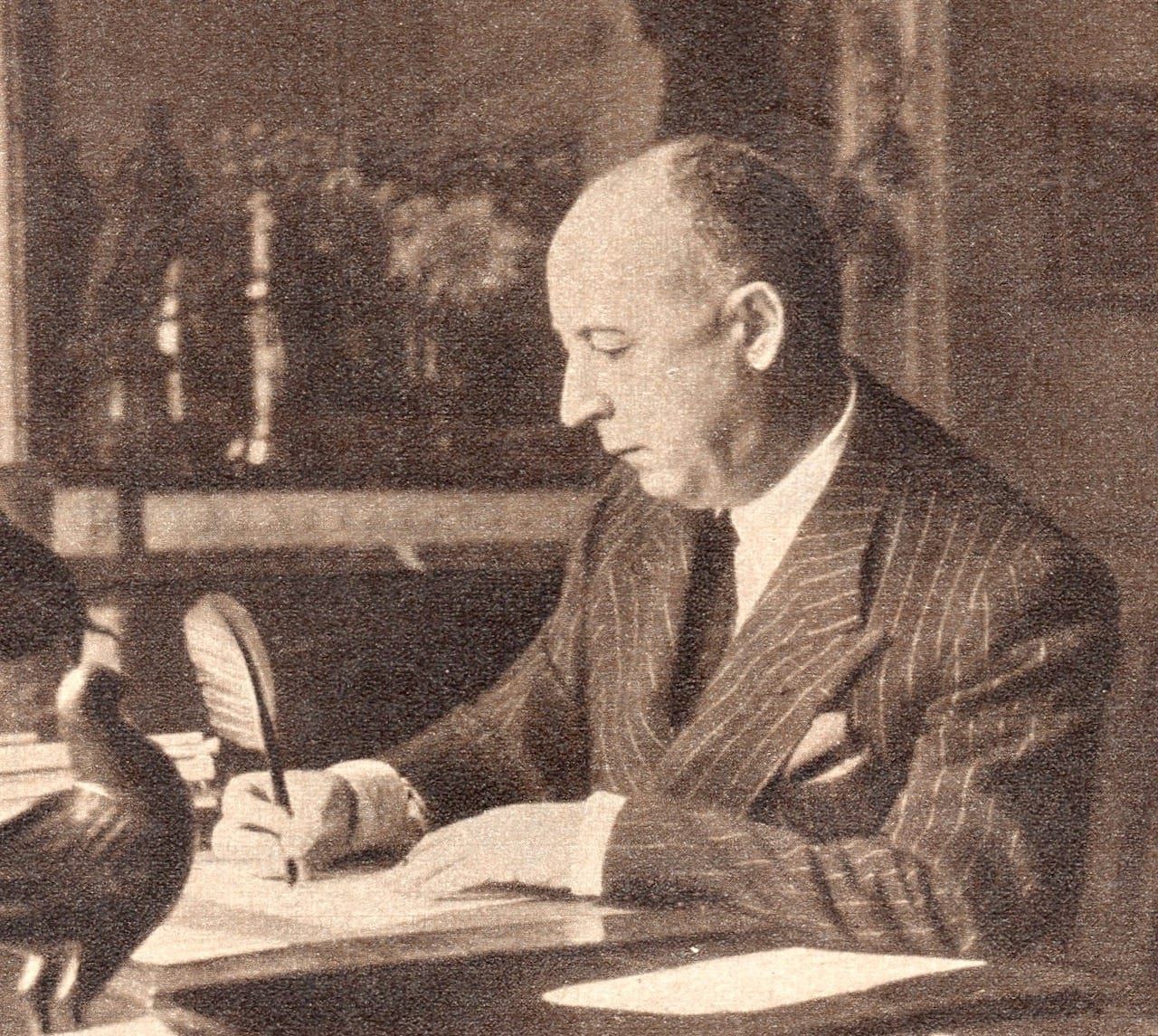
Christian Dior, Human Design, and the Offer He Turned Down First
Showing all 286 articles
-
Career & Direction
Expression in Business: Your Own Voice Versus the Conditioned One
Open centers amplify the room, the mind narrates whatever came out of your mouth as if it were a decision, and the result is a performed voice that costs you in meetings, pitches, and negotiations. How to tell your own voice from the conditioned one, and the questions to ask after a meeting where you were not yourself.
-
Teams & Leadership
Building Teams with Human Design
How reading Career Type, Strategy and Authority inside a working team reduces friction without asking anyone to change: place people by mechanics, time decisions by Authority, run meetings so responders can respond and initiators can inform, and know which group form you are in.
-
Your Type at Work
Generator Communication: Responding Instead of Initiating
Builders answer reliably when they are given something to respond to. Why a yes/no question reaches the body and an open question reaches the mind, how the Express Builder's speed changes the rhythm, and a two-week experiment a manager can run.
-
Career & Direction
How Your Throat Center Shapes Your Communication Style at Work
A defined Throat gives a professional a fixed, consistent way of speaking and acting; an undefined Throat gives a flexible voice that borrows from the room and does its best work in fewer words. Which of the eleven Throat voices are yours, and a two-week listening experiment to find out.
-
Career & Direction
Making Decisions from Your Inner Authority at Work
Seven decision mechanisms, one meeting format. An Authority-by-Authority guide to what a sound professional decision registers as in the body, the workplace pressure that overrides it, and the conditions a leader can build into the calendar so the decision gets made correctly.
-
Your Type at Work
Manifestor Communication: Informing as a Power Move
An Initiator's strategy is to inform before acting. Why that is not asking permission, how it dissolves the late resistance that stalls initiatives, and a stakeholder experiment that measures blindsided objections before and after.
-
Your Type at Work
Projector Communication: Being Seen Before Being Heard
An Advisor's guidance lands only after recognition. What a real invitation looks like in a professional setting, how to stay visible without initiating, and a two-week log of invited versus uninvited contributions.
-
Your Type at Work
Projectors, Generators, and Manifestors in the Workplace
How each Career Type experiences work differently, what each needs in order to do it well, what the team misreads it as, and what it costs when the need is corrected instead of recognized. With one-on-one questions for a manager and how to write a role that fits the Type.
-
Your Type at Work
Reflector Communication: Sampling Before Committing
An Evaluator reports on the room, not on themselves, and needs a lunar cycle to trust a major decision. How to protect that timing at work, talk a decision through without being talked out of it, and be taken seriously on a 28-day clock.
-
Energy & Sustainability
The Business Cost of Ignoring Your Authority
Overriding your Authority does not show up first as a feeling. It shows up on the calendar and the P&L: long hours on work that never gains momentum, expertise given away unpaid, initiatives blocked late, commitments made hot and regretted. How to read those costs by Career Type and Authority, and how to audit them.
-
Teams & Leadership
The Defined vs Undefined Throat in Leadership
A leader with a defined Throat has a fixed, consistent way of speaking the team learns to read, and the trap of assuming it lands as meant; a leader with an undefined Throat can give voice to the whole room, and the trap of talking to be noticed. What the Throat is connected to decides whether a leader's words become action or information, and how to design meetings for each case.
-
Career & Direction
Why Gut Decisions Aren't the Same for Everyone
"Trust your gut" is one instruction handed to seven different decision mechanisms. For a third of people it names something real and immediate; for half it names the top of an emotional wave. A leader deciding who on the team can answer on the spot needs the seven-way version.
-
Teams & Leadership
Why Your Team Communicates Differently Than You Do
A leader's guide to the mechanical differences behind workplace misunderstandings: undefined centers that amplify the room, four Career Types that speak on different rhythms, and Authorities that answer on different clocks. With a read-the-room checklist for difficult conversations and how to give feedback across a rhythm that is not yours.
-
Teams & Leadership
The Birth-Data Consent Script: How to Introduce Human Design to Your Team
The exact wording I teach managers and consultants for inviting a team into chart work: benefit first, a familiar category, three pieces of information, and consent that stays with each person. Plus what to do about a no, and the mistakes that poison the whole exercise.
-
Teams & Leadership
The Coach Shopper's Guide to Typing Systems: What Every Assessment, Debrief, and Credential Actually Costs
Before you hire a coach or consultant, know what their system collects, what it costs at every layer, how long their credential took to earn, and what their own vendor says it shouldn't be used for. The complete comparison table, plus the questions to ask.
-
Building a Practice
Fourteen Years Inside the Experiment: How I Came to Teach Human Design for Business
Thirty years of building businesses, then a chart in 2012, an experiment that started in February 2013, and a certification path that ran far past the point of reason. The honest version of how this practice came to exist, and why it teaches proof over belief.
-
Building a Practice
The 2026 Human Design Business Practitioner Pricing Report
What Human Design business work actually sells for: observed bands from certification cohorts and mentoring, from the $250 career overview to five-figure small-business engagements, set against what the adjacent assessment markets charge, with the method and its limits stated plainly.
-
Career & Direction
Human Design vs 16Personalities: What the Free Test Can't Tell a Business Owner
16Personalities has logged over a billion and a half free tests, and it isn't actually the MBTI. A Human Design chart is also free to run, so the real comparison is what each one can do for your work: a mirror of your self-image, or a decision method you can test.
-
Career & Direction
Human Design vs Astrology for Business Decisions
Human Design is built on astrology's raw data, then adds what a business actually needs: a second, unconscious calculation, a mechanical decision method, gate-by-gate timing, and group analysis no natal chart can do.
-
Career & Direction
Human Design vs CliftonStrengths: Where Your Real Strengths Actually Live
StrengthsFinder ranks 34 talent themes from a self-report. Human Design reads working strengths from the chart itself: consistent definition you can build a career on, open centers that mature into wisdom, and the unconscious gifts everyone sees before you do.
-
Career & Direction
Human Design vs the Big Five: The Validated Test and the Calculated Chart
The Big Five is the personality model academic psychology actually stands behind, and I'm not going to pretend otherwise. Here's what trait science genuinely offers a business, what it structurally can't do, and why the chart makes a different kind of claim entirely.
-
Teams & Leadership
Human Design vs DISC: The Team Layer a Style Assessment Can't See
DISC sorts people into four behavior styles from a self-report. Human Design is calculated from birth data, reaches the unconscious side of how someone works, and for a small team it reads something DISC has no concept of at all: the group itself.
-
Teams & Leadership
Human Design vs the Enneagram: Motivation You Guess vs Motivation You Calculate
The Enneagram asks you to recognize your own core motivation, and mistyping is famously common. Human Design calculates Motivation from the birth chart: six Colors, one correct register per person, and a precise read on why your best people go flat.
-
Building a Practice
Human Design vs Gene Keys: Which One Can You Build a Business On?
Gene Keys grew out of Human Design and kept the 64 hexagrams while removing the mechanics: no type, no strategy, no authority. That's fine for contemplation. For hiring, teams, and a professional practice, the difference is decisive.
-
Teams & Leadership
Human Design vs Insights Discovery: Past the Four Color Energies
Insights Discovery gives corporate teams a shared language of four color energies, delivered through 18,000 accredited practitioners. Here's what that vocabulary buys, what the licensing economics look like, and the calculated layers a color wheel can't reach.
-
Your Type at Work
Human Design vs Kolbe: Two Claims on Instinct, One Questionnaire Between Them
Kolbe says it measures conation, how you instinctively act, not personality. That makes it Human Design's closest philosophical cousin, and the comparison sharper: one system asks your mind 36 questions about your instincts, the other calculates instinct from birth data.
-
Teams & Leadership
Human Design vs Every Other Typing System: A Business Owner's Field Guide
MBTI, DISC, Enneagram, CliftonStrengths, Big Five, astrology, Gene Keys: every one of them asks you about yourself, or interprets one snapshot. Human Design calculates from birth data. Here's the whole comparison, system by system, for business use.
-
Teams & Leadership
Human Design vs the Predictive Index: What the Hiring Software Doesn't Measure
The Predictive Index screens candidates in six minutes across four drives, priced as an annual company subscription. Here's what that machine is good at, what its own two-list format admits, and the layers of a person and a team it was never built to see.
-
Money & Profit
Human Design vs Wealth Dynamics: Two I Ching Business Maps, One Big Difference
Roger Hamilton's Wealth Dynamics sorts entrepreneurs into eight profiles it links to the I Ching's trigrams. Human Design runs the full 64-hexagram wheel, calculated from birth data instead of a questionnaire. Same ancient root, very different machines.
-
Your Type at Work
Human Design vs Working Genius: Energy, Burnout, and Who Should Do Which Work
Patrick Lencioni's Working Genius says burnout comes from working outside the two kinds of work that give you energy. Human Design has been making a sharper version of that claim for decades, calculated instead of self-reported, and with a group layer underneath it.
-
Building a Practice
Typing-System Certifications Compared: What Coaches Actually Buy
MBTI is $2,995 for four days. Gallup is $7,700. Working Genius is one day. Insights adds an annual license and unit minimums. Here's every major certification's cost, duration, and lock-in, what each one licenses you to do, and the saturation math nobody shows you before you enroll.
-
Business Figures
Christian Dior, Human Design, and the Offer He Turned Down First
Christian Dior had Emotional Authority and a Triple Split definition, calculated from an AA-rated birth certificate. When France's richest textile manufacturer offered to put him in charge of an existing couture house in 1946, he said no, waited, and came back with a different proposal. The business he got instead invented fashion licensing.
-
Business Figures
Hugh Hefner, Human Design, and the Magazine He Published Without a Date
Hugh Hefner was an Advisor with Emotional Authority, an open Throat, and a 5/1 profile, the line combination this system reads as built to be either idolized or burned at the stake by the people projecting onto it. His first issue of Playboy carried no cover date at all, because he did not know if there would be a second one, and the record this piece reads against his chart includes both the empire that followed and the well-documented reckoning over how he ran it.
-
Teams & Leadership
Human Design vs MBTI and Enneagram: The Difference That Matters When You're Hiring
MBTI, DiSC, and the Enneagram all read what a candidate says about themselves that day. A Human Design chart is calculated from birth data alone, which changes what it can responsibly tell a hiring manager, and exposes a blind spot the other three don't know they have.
-
Career & Direction
Not Every Gut Response Is a Sacral Response
"Trust your gut" gets used as one piece of advice, but at least three different mechanisms produce that feeling, and one of them isn't a Sacral response at all. Knowing which one you're actually running on changes what the feeling is trustworthy for.
-
Energy & Sustainability
Active Brain, Passive Brain: The Human Design Case Against One Work Schedule for Everyone
Half your team runs on regular fuel and steady stimulation. The other half runs on less of both, and gets called lazy for it. The Variable's brain-body arrow explains why one office schedule can't actually fit both.
-
Business Figures
Henry Ford, Human Design, and the Idea He Borrowed From a Slaughterhouse
Henry Ford is filed in business memory as the man who invented the assembly line. His chart has three centers with no activation at all, and he said himself in 1922 that the idea came from watching a Chicago meatpacker's overhead trolley. Both facts point the same direction.
-
Business Figures
Ted Turner, Human Design, and the Deals He Answered Instead of Starting
Ted Turner died on 6 May 2026 at 87. He is remembered as the man who started things. His chart says the opposite: an Express Builder with Sacral Authority, every one of whose defining moves answered an asset somebody else was already selling too cheaply.
-
Business Figures
Walt Disney, Human Design, and the Loan He Took Out on His Own Life
Walt Disney was a Builder with Sacral Authority, Single Definition, and a completely open Heart center, the mechanic tied to willpower, promises, and money. For decades his brother Roy O. Disney ran the studio's finances while Walt built; in 1952, with Roy and the board opposed, Walt borrowed against his own life insurance to fund Disneyland himself.
-
Business Figures
Tyra Banks, Human Design, and the Franchise She Made Sure She Owned
Tyra Banks has an undefined Throat and a split definition that closes only by routing through it. The most recognizable presenter in American reality television built her commercial position on owning a format rather than on owning a voice, and the dates line up almost exactly with her own transit schedule.
-
Business Figures
Barry, Robin, and Maurice Gibb: The Bee Gees' Penta
Three brothers, one recording studio, forty years of co-written songs. Their charts show why this specific trio, in this specific room, worked for as long as it did.
-
Business Figures
Brian, Dennis, Carl, Mike, and Al: The Beach Boys' Penta
All five founding Beach Boys have certificate-grade birth times, a rarity for any band. Their charts, read as one group, complete five of the six channels a Penta runs on, and hang the sixth on the same missing gate in all five charts.
-
Business Figures
Donald Trump, Human Design, and the Year He Stopped Owning and Started Licensing
Donald Trump is a 1/3 Express Builder with Emotional Authority defined entirely on the unconscious side of his chart. Read against four dated life cycles and his own company's SEC filings, his design explains the single most consequential move in his business record: the year the name stopped being attached to the assets and became the asset.
-
Business Figures
Elon Musk, Human Design, and the Rocket He Decided to Build Himself
Elon Musk is an Express Builder with the Channel of Charisma, life force wired straight into the Throat. Read against three dated turning points, his design explains something specific about why he responds rather than plans, and why he keeps ending up running companies he says he never wanted to run.
-
Business Figures
Rainier, Grace, and Their Three Children: Monaco's Palace Penta
Five people, one palace, seventeen years of documented daily proximity. The Grimaldi family's charts, read together, complete every operating channel a Penta runs on, and the record of how Monaco was rebuilt in those years matches the mechanics.
-
Career & Direction
Human Design 1/4 Profile Career Path
The 1/4 builds real expertise in private and then receives nearly every meaningful opportunity through people who already know them. Career strategy here is research plus relationships, in that order.
-
Career & Direction
Human Design 2/5 Profile Career Path
The 2/5 is the reluctant expert: a private, naturally gifted mind carried by a body that everyone projects leadership onto. Career health here depends on screening calls, delivering practical results, and taking strategic distance.
-
Career & Direction
Human Design 3/5 Profile Career Path
The 3/5 discovers what fails, fixes what others cannot, and carries a projection field that promises rescue. This is the profile of the trailblazer and troubleshooter, and its career runs on trial, error, and reputation.
-
Career & Direction
Human Design 3/6 Profile Career Path
The 3/6 lives a career in three acts: a chaotic education until thirty, a long steady build on the roof, and a late arrival as the trusted example. Understanding the timeline changes everything about how this profile plans work.
-
Career & Direction
Human Design 4/1 Profile Career Path
The 4/1 is the only fixed-fate profile in Human Design: a networking mind on an unmovable foundation, running on one track. Career strategy here means honoring the fixedness, guarding the friendships, and refusing to bend.
-
Career & Direction
Human Design 5/2 Profile Career Path
The 5/2 is the reluctant heretic: projected on as the fixer while the body underneath just wants to be left alone. Career success here comes from calling yourself out, on your own timing, with the right allies.
-
Career & Direction
Human Design 6/3 Profile Career Path
The 6/3 closes the cycle of the twelve profiles: an objective role model mind riding a body that never stops experimenting. Its career runs on allegiance and rejection, the right allies, and work that turns chaos into wisdom.
-
Business Figures
Kris, Kim, and Khloé: The Penta Nobody Named
Kylie and Kendall run their own separately-staffed companies. The three who actually show up in person, day after day, are Kris Jenner, Kim Kardashian, and Khloé Kardashian. Their charts, read together, show why.
-
Business Figures
Martha Stewart, Human Design, and the Sale That Was Never the Crime
Martha Stewart is an Initiator with Emotional Authority, a 4/6 Profile and a Split Definition. She was never charged with insider trading. She was convicted of what she said about the trade afterward, which is the one failure an Initiator's strategy is specifically built to prevent.
-
Business Figures
Elizabeth, Philip, Charles, and Anne: The Firm's Own Penta
The royal family calls its institution The Firm, and for seventy years its working core was four people with officially announced birth times. Their charts, read together, show a group built almost entirely of leadership and commitment, with every other business function delegated to the institution around it.
-
Business Figures
Steve Jobs, Steve Wozniak, and the Human Design Behind Apple's Founding Partnership
Steve Jobs is a Solar Plexus Builder with Split Definition; Steve Wozniak is an Advisor Advisor. Their shared voice channel, two electromagnetic connections, and one compromised gate trace the mechanics of the partnership that built Apple in a garage in 1976.
-
Business Figures
Tony Robbins, Human Design, and the Company He Built to Outlive the Room
Tony Robbins is a 6/2 Express Builder with Emotional Authority and a defined Heart center. Read against four dated life cycles, his design explains why a man who says he never set out to be in business ended up chairing a holding company, and why his one attempt at network television failed.
-
Your Type at Work
Certified but Not Confident: Why an Advisor (Projector) Teacher Doesn't Need Private Clients
A healthcare educator with a wall of certifications still felt too unsure to take private clients. Her chart explains why, and why she never had to.
-
Career & Direction
Committing to Coaching After a Health Crisis: A 1/3 Projector Case Study
A student recovering from a serious health setback wanted confirmation that reorienting his career toward coaching and public speaking was right. His chart didn't hand him a yes. It handed him a decision-making process, and a reason not to decide that day.
-
Energy & Sustainability
The Injury That Forced Her Bankruptcy Faster Than She Wanted, And the Sound That Told Her What to Rebuild
A wellness practitioner's already-struggling healing center collapsed into bankruptcy after a physical injury, faster than she would have chosen on her own. An anonymized mentoring case on basic splits, delegation, and the vocal sound that turned out to be her actual decision-making authority.
-
Building a Practice
She Quit Corporate to Build a Practice. Then the Comparison Started
A case study in a 3/5 Profile Builder with Emotional Authority, weighing corporate work against a stalled consulting practice, and the somatic work that got her out of comparing herself to influencers who never trained.
-
Building a Practice
The Pressure Wasn't Hers: A Generator Practitioner Redesigns Her Booking Schedule
A practitioner with decades in private practice kept booking clients back-to-back and calling it professionalism. Her open Head and Root centers, and her Sacral authority, said otherwise.
-
Building a Practice
Is It Really Me, or Just Mental Noise? A Projector's First Client
A self-employed Advisor couldn't tell her own ideas from her mental noise until she learned to read her breath and her Chiron conditioning instead of her thoughts.
-
Career & Direction
Looking for the Right Large Group: A Generator Job Search Case Study
A veteran engineer and project manager kept landing interviews that went nowhere. Her chart didn't explain the rejections. It explained what kind of organization, and what kind of manager, could actually hold what she carries.
-
Career & Direction
Five Gate 21s and No Boss: Reading a Repeated Authority Conflict as Design
A Manifester client kept clashing with every boss he ever had. Read through his profile and Splenic Authority, the pattern wasn't a character flaw to fix before starting a business. It was the chart telling him he'd already outgrown the question.
-
Your Type at Work
The Sales Veteran Who Tested His Gut at a Conference Instead of Chasing Leads
A case study in a 1/3 Profile Express Builder with Sacral Authority who'd spent twenty years working hard for uneven reward, and what happened when he stopped strategizing his conference booth and let his gut walk him around it instead.
-
Building a Practice
Should She Niche Down to CEOs and Hand Off All Her Content? Her Sacral Response Already Knew
A leadership and EQ coach was ready to niche exclusively to C-suite clients and hand every piece of content to subcontractors so she could stay in her flow. Her chart, and her own guttural yes, confirmed it before her mind finished the sentence.
-
Career & Direction
Should She Quit the Job That's Eating Her Alive? A Manifesting Generator's Case Study
A client working morning to night with no days off wanted permission to walk away and pursue certification. Her chart gave her a decision-making process instead, not an answer.
-

Building a Practice
She Quit a Certification Halfway Through. Her Chart Says She Was Right.
A psychologist stalled out one semester short of a Human-Design-adjacent certification, unsure whether to finish it or let it go. Her Builder strategy and Emotional authority already had the answer.
-
Teams & Leadership
A Couple's Combined Chart Gap Was a Delegation Problem, Not a Marketing One
A business couple with two prior ventures behind them couldn't get a course-based offer noticed. Reading their combined chart showed the missing piece wasn't a marketing skill. It was a seat neither of them was built to hold.
-
Building a Practice
Reading Burnout as an Intake Signal, Not a Capacity Problem
A veteran healing practitioner assumed she was simply running out of steam. Her chart said the exhaustion was pointing at her intake process and her own Strategy and Authority, not her stamina.
-
Building a Practice
The Practice Wasn't Broken. The Business Model Was
A case study in a solo Human Design practitioner realizing AI had commoditized information products, and how following their own Emotional Authority (not panic) pointed them toward selling transformation instead.
-
Energy & Sustainability
Reading 'Time to Stop' as a Body Signal, Not a Verdict on Purpose
A veteran practitioner who once scaled her practice into a health scare was asking again whether it was time to quit for good. Her chart pointed her back to a much smaller question: what does the body want right now.
-
Money & Profit
Reading Who to Trust With Your Money: A Projector's Financial Advisor Decision
A foundation analysis client had interviewed advisor after advisor and still couldn't sign. Her chart showed the hesitation wasn't indecision, it was Self-Projected Authority doing exactly its job.
-
Career & Direction
The Rent Hike That Told Him It Was Time to Leave
A pure Builder kept planning a five-year runway back to a job overseas. One instant sacral 'no way' to a rent increase, and one point-blank question, collapsed the timeline to now.
-
Career & Direction
The Job Offer That Vanished, and the Body That Knew What to Do Next
A case study in reading a Sacral confirmation through grief and a rescinded job offer, when the mind had no explanation and the body kept getting lighter anyway.
-
Career & Direction
The Doctorate or the Community? A Generator's Sacral Response Cuts Through Credential-Chasing
A healthcare practitioner sat torn between a doctorate 'for legitimacy' and the wellness community her body kept pointing to. Her sacral response, not her resume, made the call.
-
Career & Direction
She Had No Income Coming In. Her Body Still Said Wait
A case study in a 3/5 Profile client with Splenic Authority, zero income, and real financial pressure to take any job, honestly unresolved by the end of the session because that is what real design-aligned waiting looks like.
-
Career & Direction
She Severed Her Career and Rebuilt It Through Word of Mouth: A Generator Case Study
A client with a defined Solar Plexus and unclear sacral clarity quit a stable career outright after burnout, then rebuilt her income hosting entrepreneurs, one referral at a time. Her chart, not her marketing plan, explains why that pace is correct.
-
Building a Practice
Should You Build a Coaching Business Alone? A Projector Case Study
A Human Design student kept asking whether to launch her own reading practice solo. Her chart answered a different question first: whether she had the sustained drive to run a business alone at all.
-
Building a Practice
Stop Marketing to Strangers If Your Design Needs the Room
A body-care practitioner had spent years trying to build a client base online. His chart said the opposite: a wide split Builder with Sacral Authority who only gets bridged, and paid, in person.
-
Career & Direction
Terrified of Running Out of Money. It Wasn't Even Her Fear.
A case study in an Advisor with self-projected, voice-based Authority, weighing a corporate promotion against her own business while gripped by money terror, and the somatic distinction that separated real signal from something she'd merely absorbed.
-
Career & Direction
The Safe Offer Test: Why a Stable Job Has to Pass Through Your Gut, Not Your Fear
A case study in using Sacral response, not the fear of instability, to weigh a stable management offer against an unbuilt online practice. Grounded in a real mentoring session.
-
Career & Direction
The Advice Nobody Asked For: A Projector Rethinks Customer Success
A customer success contract ended early after she outperformed her own manager's judgment. Her chart explained why being right was never the problem, and pointed toward a role built for how she actually works.
-
Career & Direction
The Bonus Arrived the Same Day: Why a Mental Projector Waited Anyway
An engineer feeling blocked in small-team leadership got a work bonus the same day she considered committing it to Human Design coach training. Her design gave her a way to tell readiness from urgency.
-
Your Type at Work
The Manifestor (Initiator) Who Almost Quit the Business That Was Actually Working
An Initiator client was ready to shut down a stalled venture out of guilt, not realizing a tiny daily trading routine was the thing correctly matched to his design. Here's how his Initiator mechanics and splenic authority reframed it.
-
Energy & Sustainability
The Rulebook That Burned Him Out: A Streamer's Availability Case Study
A livestreamer with a defined weekly broadcast built a strict rulebook to protect his time from fans and collaborators, then kept breaking it anyway. What his open Spleen was actually protecting him from, and why the fix wasn't a better rule.
-
Building a Practice
The Quiet 'No' That Saved Her Practice From Her Own Mentor's Office
A newly credentialed practitioner had the obviously convenient option: rent space inside her own mentor's office. Her body said no before her mind had a reason. Her Splenic Authority was right.
-
Career & Direction
Two Jobs Imploded the Same Way: Reading a Repeating Sabotage Pattern as a Design Mismatch
A client's second corporate job collapsed in the exact same three steps as the first, only faster. Her chart explained why office structure was never going to hold, and what her own Authority said about finally going out on her own.
-
Energy & Sustainability
The Undefined Emotional Center That Nearly Merged His Business Into Someone Else's Crisis
A mid-divorce entrepreneur almost merged households and business decisions with a demanding partner before recognizing an open emotional center picking up her pressure as his own. Six weeks later, following his actual Strategy and Authority, everything looked different.
-
Money & Profit
Undercharging in a Partnership: It's Not a Negotiation Problem
A new business owner kept accepting less than her worth from a business partner and couldn't figure out why she couldn't just ask for more. The block traced to open Ego and Solar Plexus Centers and a split definition, not to weak negotiation skills.
-
Money & Profit
Vetting an Investor Through Your Own Authority, Not a Background Check
An Initiator client had real money on the table to scale a wellness-center concept with his trusted business partner. His Emotional authority kept flagging the investor as unverifiable. Here's how that signal actually works, and why the session ended without a decision.
-
Money & Profit
Why I Couldn't Ask for My Money Back: An Undefined Heart Story
A retiree building a coaching business had put a significant sum on a credit card for a mentorship that wasn't delivering, and couldn't bring herself to ask for it back. The pattern traced straight to an undefined Heart Center and a basic split, not to anything actually wrong with her.
-
Building a Practice
Building a Human Design Email List Your Chart Can Actually Sustain
How your own chart mechanics decide the way you grow and reactivate an email list, from a fourth line referral ask to a lead magnet built on the real meaning of Gate 38.
-
Your Type at Work
Can You Have More Than One Personality?
Someone can seem like a completely different person around different people, and for open-center types that's not a red flag. It's the actual, ordinary mechanism of how they're built to engage with the world.
-
Business Figures
Bill Gates, Human Design, and the Deal He Didn't Have to Sell
Bill Gates is a Sacral-defined Builder. The 1980 decision to license MS-DOS to IBM rather than sell it outright reads, mechanically, as a gut-level yes that neither side fully understood the size of at the time.
-
Business Figures
Dolly Parton, Human Design, and the Business Built on a Single No
Dolly Parton died on 25 August 2026 at 80. Her Human Design chart, read against one specific, dated business decision, explains more about how she built what she built than any tribute can.
-
Your Type at Work
How Can I Improve My Personality and Communication Skills?
Most communication advice assumes one correct style for everyone. Real improvement usually comes from working with your actual design instead of retraining yourself into a generic template that never quite fits.
-
Your Type at Work
How Can Understanding Your Personality Help You Be More Successful?
Success advice usually assumes one universal formula. Understanding your design replaces that formula with something more useful: knowing which conditions your own success actually depends on.
-
Your Type at Work
How Childhood Affects Personality
Childhood doesn't write a chart, it decides how much of the chart a person actually gets to keep. Most conditioning happens exactly during the years the design isn't yet strong enough to push back.
-
Career & Direction
Human Design 1/3 Profile Career Path
The 1/3 learns a career by taking things apart and getting them wrong first, and that cycle of attempt and revision is the method this profile uses to build something solid.
-
Career & Direction
Human Design 2/4 Profile Career Path
A 2/4 builds a career less by chasing opportunities and more by getting pulled out of a private, natural aptitude through people who already know them. Fighting that order rarely speeds anything up.
-
Cycles & 2027
Human Design, 2027, and the Future of Remote Work
Remote work statistics are the visible leading edge of the Cross of Planning ending. Here is how each Type and definition actually needs to work from home before the shift lands.
-
Career & Direction
Human Design 4/6 Profile Career Path
A 4/6 spends its first three decades testing roles up close, then settles into prime earning years and, after fifty, the trusted vantage point this profile was always headed toward. The network carries it the whole way.
-
Career & Direction
Human Design 5/1 Profile Career Path
A 5/1 gets pulled into roles by other people's projections before they've necessarily proven anything, which puts unusual pressure on having real, foundational competence to actually deliver once called on.
-
Career & Direction
Human Design 6/2 Profile Career Path
Two lines built for withdrawal, one through life-phase design and one through natural talent, land in the same profile. A 6/2 career runs on real cycles of visibility and retreat, and matures into the trusted example people seek out.
-
Cycles & 2027
Human Design and AI Job Displacement: Your Jobs Are Changing, Not Vanishing
Why AI-driven job displacement is the Cross of Planning finishing its work, not an accident, and what to do about it before 2027.
-
Career & Direction
Human Design and Career Reinvention: Deciding a Pivot Through Strategy and Authority
How career-change clients actually reach a decision in Human Design coaching, by Authority rather than by argument, and why the reinvention is often already written into the chart.
-
Career & Direction
Human Design Ajna Center and Overthinking at Work
A defined Ajna produces fixed, confident-sounding opinions almost automatically, which is useful for other people and genuinely risky when that same certainty gets pointed at the person's own decisions.
-
Building a Practice
Human Design Certification ROI: The Real Math for Coaches
What a BG5 certification licenses you to deliver, semester by semester, and what each deliverable is priced at in the field, from the career design overview to the Alpha One small business analysis Ra recommended charging at least $3,500 for.
-
Career & Direction
Human Design Channel 12-22 and Emotional Expression at Work
Channel 12-22 speaks with real social grace when the mood is right and goes quiet or blunt when it isn't, which reads as inconsistency to colleagues who don't realize timing is the entire mechanism here.
-
Career & Direction
Human Design Channel 20-34 and Busy Work
Channel 20-34 acts on instinct in the immediate present, which means it can look extremely busy without ever pausing to check whether the action is actually connected to anything real.
-
Career & Direction
Human Design Channel 34-57 and Instinctive Power
Channel 34-57 pairs raw Sacral power with an instinctive read sharp enough to know, instantly, whether a given moment is actually safe to act in. Neither half of that combination waits for permission.
-
Career & Direction
Human Design Channel 43-23 and Individual Insight
Channel 43-23 produces genuinely original thinking that often can't be explained the moment it arrives, which is exactly why it gets dismissed in meetings before anyone's actually tested whether it's right.
-
Building a Practice
Build Your Client Onboarding Process Around Your Own Chart
Your intake structure, discovery calls, package length, and whether you meet in person are all mechanical decisions. Here is how to design a client onboarding process from your own career type, aura, and decision-making authority.
-
Career & Direction
Human Design Ego Authority and Commitment Issues at Work
Ego Authority makes promises the willpower can actually back. When it gets overridden, the result isn't laziness, it's a structural gap between what got said and what the design can sustain.
-
Career & Direction
Human Design Emotional Authority in Negotiations
Negotiation culture rewards the fastest yes. Emotional Authority runs on a slower clock, and forcing the wave to move faster than it can produces worse deals, not better ones.
-
Building a Practice
Human Design for Business Consultants: The Mechanics That Build the Practice
Not marketing advice. The actual BG5 toolkit a consultant learns to read and sell: the career design overview, Public Role, Life Work, and Penta dynamics, plus how the training is designed to pay for itself while you are still in it.
-
Building a Practice
Human Design for Career Coaches: The Correction Before You Position Yourself
If you are thinking of marketing yourself as a Human Design career coach, there is a discrepancy you need to know about first. This work does not tell people which career is right for them. Here is what it does instead, and how to position honestly.
-
Career & Direction
Human Design for Creative Professionals
Creative work gets treated as something that should be available on demand. For several designs, quality actually depends on a rhythm that looks nothing like a nine-to-five production schedule.
-
Building a Practice
Human Design for Executive Coaches: Inside the Alpha One Analysis
Executive coaching has its own mechanics in Human Design. Here is the Alpha channel, the Alpha One analysis, and why coaching the person at the top is different work from engineering the team.
-
Career & Direction
Human Design for Franchise Owners
Franchising sells structure and predictability, someone else already worked out the system. That's an asset for some types and a quiet trap for others whose value lies elsewhere.
-
Career & Direction
Human Design for Marketing Teams
A marketing team's single job title hides several different roles: strategy, creative, analytics, execution. Matching each to energy type explains why some team structures click and others keep fighting themselves.
-
Career & Direction
Human Design Gate 13 and Secrets at Work
Gate 13 draws confidences out of people almost effortlessly, which makes it a genuine leadership asset and a real liability the moment those confidences get repeated to the wrong person.
-
Career & Direction
Human Design Gate 21 and Control in Business
Gate 21 wants authority over its own territory, its own budget, its own team, its own timeline. That's a legitimate need for material control, not the ego problem it often gets mistaken for.
-
Career & Direction
Human Design Gate 26 and Sales Ability
Gate 26 can make a mediocre point sound completely convincing. That's a real sales gift and a real ethical fork in the road, and the gate itself doesn't decide which way a person takes it.
-
Career & Direction
Human Design Gate 37 and Workplace Agreements
Gate 37 wants a workplace to feel like family, warm, loyal, held together by mutual understanding, which is a real strength until an actual agreement needs to be explicit and someone assumed it already was.
-
Career & Direction
Human Design Gate 40 and Delegation
Gate 40 needs real rest to keep delivering, and a person carrying it who skips that rest doesn't just get tired, they start resenting exactly the people and commitments they'd otherwise gladly show up for.
-
Building a Practice
Group Program or One on One? What Your Career Type Says About How to Structure Your Practice
The choice between running group programs and working one client at a time is not a marketing preference. In BG5 it is a career environment question, answered by your career type and by whether you carry a Penta or OC16 organizing strength.
-
Career & Direction
Human Design Heart Center and Proving Worth at Work
A defined Heart Center carries a real, willpower-driven need to prove itself, which can build genuine drive or quietly wear a person down depending on whether that need ever gets a chance to actually rest.
-
Building a Practice
Human Design Instagram Strategy for Practitioners
Instagram rewards exactly what an undefined Throat is already compelled to do. Before you plan a content calendar, look at what the platform is asking of your mechanics, and what it can never do for your aura.
-
Building a Practice
Human Design Lead Generation Strategies: Let Your Chart Decide How Clients Find You
Most lead generation advice ignores mechanics. Your profile line, color, definition and key gates tell you exactly how your clients are designed to arrive, and who you need beside you to make it happen.
-
Career & Direction
Human Design Lunar Authority for Reflectors in Business
An Evaluator's decision clock is the moon itself: over about 28.5 days it passes through all 64 gates and lends the open chart temporary definition, one piece at a time. Business runs on quarterly urgency, so the cycle has to be protected on purpose.
-
Career & Direction
Human Design No Definition (Reflector) in Business
An Evaluator carries no defined centers at all, so their whole way of engaging with a business is built on sampling and reflecting the environment rather than generating direction from inside.
-
Building a Practice
Human Design Podcast Strategy for Practitioners
Whether you host, guest, or stay off audio entirely is a mechanical question. Your Throat, your fixed rhythm, your aura limits, and your profile decide it before your marketing plan does.
-
Building a Practice
Human Design Pricing Psychology for Readings
Roughly 65% of people are undefined in the Heart Center, what we call the willpower function in BG5. Their ego genuinely doesn't know what to charge for a session, and that is why pricing a reading feels so much harder than delivering one.
-
Building a Practice
Your Human Design Refund Policy: Let the Chart Set the Terms
Refund windows, fine print and administrative fees are business mechanics, and your own chart tells you which version of them you can actually hold to. A grounded look at Gate 53, the third quality, and the principles of Gate 49.
-
Career & Direction
Human Design Root Center and Hustle Culture
The Root generates the pressure that pushes people to act, and hustle culture is basically that pressure turned into a business philosophy. Knowing whether it's defined or open changes how much of it a person should actually trust.
-
Career & Direction
Human Design Sacral Authority and Workaholism
Sacral energy loves to work, which makes it easy to mistake constant output for correct output. The gap between real response and pure momentum is exactly where workaholism takes root.
-
Career & Direction
Human Design Self-Projected Authority in Interviews
Self-Projected Authority reaches clarity by talking. Hearing its own voice is how the decision forms. A silent, tightly scripted interview format works against this before the first real answer is given.
-
Career & Direction
Human Design Single Definition Career Strengths
Single Definition means every defined center in the chart connects into one continuous flow with no gaps. That wholeness shows up at work as a dependable kind of self-sufficiency.
-
Career & Direction
Human Design Solar Plexus and Workplace Conflict
Whether someone runs on Emotional Authority or has an open Solar Plexus changes almost everything about how they should actually handle a heated moment at work, and treating both the same makes conflict worse.
-
Career & Direction
Human Design Spleen Center and Job Security Fears
An open Spleen picks up other people's fear about survival and job security like a sponge, which means a lot of anxiety about work isn't actually the open person's own fear at all.
-
Career & Direction
Human Design Splenic Authority in Hiring Decisions
The immediate, wordless read a hiring manager gets in the first minutes of an interview is often dismissed as bias to correct for. For Splenic Authority, that instinct is a legitimate decision-making tool.
-
Career & Direction
Human Design Split Definition Team Dynamics
A Split Definition chart has two separate groups of defined centers with a bridge between them missing. On a team, the right colleague can complete that bridge in a way that changes how the whole person operates.
-
Building a Practice
Human Design Testimonials and Social Proof: Why Truth Cannot Stand Alone
Testimonials are not a marketing trick. Gates 38, 28 and 34 explain why anything new needs other people to corroborate it, and why referral-driven social proof is how a practice actually gets built.
-
Career & Direction
Human Design Throat Center and Public Speaking Anxiety
The Throat is where every other part of the chart eventually tries to express itself, which makes public speaking anxiety less about speaking and more about whatever's actually trying to get through in that moment.
-
Building a Practice
Human Design Transits and Timing Your Visible Work
The Rave week has six days, not seven, and each one favors something different. How to use the daily line quality to decide when to prepare, when to reach out, when to sell, and when to stay off the stage.
-
Career & Direction
Human Design Triple Split Leadership Style
A Triple Split leader carries three separate definitions that need a genuine mix of different people to complete. Leading alone, without that diversity around them, quietly starves the design of what it needs.
-
Building a Practice
Human Design YouTube Strategy for Practitioners
YouTube rewards daily output, and most practitioners are not built to give it. Your motors, your aura mechanics, and whether you carry Gate 56 decide what a correct channel looks like for you.
-
Your Type at Work
Is Indecisive a Personality Trait?
What reads as indecisiveness is often a decision-maker running the wrong process for their type, forced toward an instant answer their design was never built to produce on command.
-
Your Type at Work
Is Organized a Personality Trait?
Being organized looks like a fixed trait some people have and others lack. It's closer to a structural need, particularly for defined types whose consistent energy depends on external order.
-
Your Type at Work
Is Personality Fixed or Changeable?
A chart's mechanics stay consistent for life. What changes is how consciously someone lives them, and that gap explains why people can feel transformed without their design shifting at all.
-
Your Type at Work
Is Self-Esteem a Personality Trait?
Low self-esteem often gets treated as a fixed inner quality. For open-center types, a good deal of it is picked up from other people rather than generated internally at all.
-
Your Type at Work
Is Stubbornness a Good Personality Trait to Have?
What gets called stubbornness is often a defined center refusing to move on a genuine internal signal, and whether that's a strength or a liability depends entirely on what's actually behind it.
-
Business Figures
Oprah Winfrey, Human Design, and the Show She Refused to Sell
Oprah Winfrey is a Solar Plexus Builder with a Triple Split and a 2/4 Profile. The 1986 decision to take her Chicago talk show into national syndication under her own company, Harpo Productions, rather than sell the rights outright, reads as an emotional-wave decision built entirely on close relationships, not a fast strategic call.
-
Building a Practice
Read the Prospect's Authority Before You Pitch
A stranger becomes a client through their own decision-making mechanics, not through your close. Here is how Emotional, Sacral, Splenic and the rarer authorities each need the buying conversation to be built.
-
Business Figures
Richard Branson, Human Design, and the Sale He Cried Over
Richard Branson is a Solar Plexus Builder with a 5/1 Profile. The 1992 sale of Virgin Records to Thorn EMI, a decision he has said he wept over, reads as a wave he rode for months before the pressure finally became clear enough to act on.
-
Business Figures
Warren Buffett, Human Design, and the Eighth of a Point That Cost Him the Wave
Warren Buffett is an Emotional Builder with Solar Plexus Authority. In 1965 he took control of Berkshire Hathaway in a fit of irritation over an eighth of a point, a decision he later called monumentally stupid, and it reads as a textbook case of deciding from the spike instead of waiting out the wave.
-
Your Type at Work
What Are All the Different Personality Types?
Type in this system isn't a category describing who someone is, it's a description of how their energy is actually built to move, which changes what 'different types' even means as a question.
-
Career & Direction
Human Design for Accountants
Accounting rewards Gate 3's gift for staying with confusion long enough for order to emerge, over the pressure to force a tidy answer before every factor has been accounted for.
-
Career & Direction
Human Design for Burnout Prevention at Work
Most burnout advice treats rest as the universal fix. Often the deeper problem is structural: the work is asking your energy type to operate in a mode it wasn't built to sustain.
-
Career & Direction
Human Design for Career Changes
A career change is exactly the kind of high-stakes, multi-factor decision inner authority exists for, and exactly the kind most people rush through on pure mental analysis instead.
-
Career & Direction
Human Design for Cold Outreach
Cold outreach is the clearest place where generic sales advice collides with Advisor strategy. Understanding why explains a lot of quietly unsuccessful outreach that has nothing to do with skill.
-
Career & Direction
Human Design for Content Creators
Consistency doesn't have to mean identical output every day no matter what. It means building a publishing rhythm around how your energy actually moves.
-
Building a Practice
Human Design for Consultants
Consulting is fundamentally an outer-authority role: a client brings someone in to see what they can't see themselves. That maps directly onto how Advisors and self-projected voices are built to operate.
-
Career & Direction
Human Design for Customer Service Teams
Customer service is reactive by nature, which suits response-based energy well and puts a real strain on team members whose design is built to initiate instead.
-
Career & Direction
Human Design for Delegation
Delegation advice treats letting go of control as a mindset issue. For some types, the barrier is structural: handing off work without real invitation and trust can feel like abandoning strategy itself.
-
Career & Direction
Human Design for E-Commerce Business Owners
E-commerce strips out the in-person cues Splenic and Sacral authority normally lean on. An owner reading pure gut feel off a dashboard may just be reading a screen.
-
Career & Direction
Human Design for Financial Advisors
Clients don't just want correct numbers from an advisor, they want someone whose decision-making process they can trust. That trust is built on the advisor knowing their Strategy and Authority, not just their spreadsheets.
-
Career & Direction
Human Design for Firing an Employee
A termination decision carries lasting consequences for someone else's life. That alone makes it a call for a leader's actual Authority, not HR process running on deadline pressure.
-
Career & Direction
Human Design for Freelancers
Freelancing removes the structure that usually forces a decision for you, no boss setting the schedule, no team pacing the workload, so an unclear relationship with your own type gets exposed fast.
-
Career & Direction
Human Design for Healthcare Workers
Splenic instinct, the immediate, wordless sense that something is off with a patient, is a real clinical signal. Healthcare training often teaches people to override it in favor of process, at real cost.
-
Career & Direction
Human Design for HR Professionals
Most HR frameworks measure skills and culture fit. None of them account for whether a candidate's energy mechanics match the role, which is exactly the blind spot type-aware hiring closes.
-
Career & Direction
Human Design for Influencers
The influencer economy runs almost entirely on Initiator and Builder energy, initiate boldly or respond constantly, which leaves Advisors and Evaluators quietly burning out on a pace never built for them.
-
Career & Direction
Human Design for Job Interviews
An interview compresses a major decision into an hour of high-pressure conversation, on both sides of the table. It's a good place to practice trusting Strategy and Authority under actual stakes.
-
Career & Direction
Human Design for Lawyers
Law rewards the Ajna Center's capacity for research, comparison, and structured opinion, but that same mind was never built to make the lawyer's own personal decisions. That split trips up more attorneys than they realize.
-
Career & Direction
Human Design for Networking Events
A room full of strangers, all initiating conversation at once, plays out differently depending on type. Knowing your own mechanics turns networking from an endurance test into something workable.
-
Career & Direction
Human Design for Nonprofit Leaders
Nonprofit work runs on mission-driven urgency, real need, real deadlines, real stakes, which makes it unusually easy for leaders to override their own authority in the name of the cause.
-
Career & Direction
Human Design for Onboarding New Hires
Most onboarding programs assume one ramp-up pattern fits every new hire. Type awareness explains why some clearly capable people still take longer to find their footing.
-
Career & Direction
Human Design for Performance Reviews
A standard performance review measures visible, deliverable-based output. That rewards some types and misreads others whose contribution just doesn't show up the same way.
-
Career & Direction
Human Design for Project Managers
Project management is fundamentally a responsive role, tracking, coordinating, and reacting to what a project needs. That's a strong natural fit for Builder energy, and a real strain on types built to initiate.
-
Career & Direction
Human Design for Pricing Your Services
Pricing gets treated as pure market math, but the number an owner lands on is often shaped by whether it came from Authority or from anxiety wearing a spreadsheet's clothing.
-
Career & Direction
Human Design for Public Speaking
Stage fright gets treated as a universal obstacle to push through. For some designs, hesitation before speaking is accurate information, not fear to override.
-
Career & Direction
Human Design for Real Estate Agents
Real estate rewards the kind of client-facing, in-person judgment Splenic and Sacral authority are built for, and punishes the forced initiation that burns Advisors out fast.
-
Career & Direction
Human Design for Remote Work
Remote work removes the office's built-in structure entirely. Whatever your relationship with your own energy type actually is has nowhere left to hide.
-
Career & Direction
Human Design for Restaurant Owners
Restaurant ownership is one of the most physically relentless businesses a person can run, which makes matching the operation's structure to the owner's energy type less a nicety and more a survival requirement.
-
Career & Direction
Human Design for Retail Managers
Retail management is a constant, live stream of small decisions, staffing, customer conflict, floor coverage, leaving almost no room for the slower authorities to get the time they need.
-
Career & Direction
Human Design for Salary Negotiation
Negotiations manufacture urgency on purpose, an offer that expires today, a counter that needs an answer now. That pressure is aimed at overriding whatever process your authority needs.
-
Career & Direction
Human Design for Sales Teams
Most sales training assumes one correct posture for everyone: initiate constantly, follow up relentlessly. That fits some designs and works against others, which is why identical training produces wildly different results.
-
Career & Direction
Human Design for Scaling a Business
Scaling advice is almost always written from an unstated Initiator or Builder perspective: move fast, grow aggressively. Follow it without translation and it can push a business past what its founder can actually sustain.
-
Career & Direction
Human Design for Side Hustles
A side hustle stacked on top of a full-time job leaves no slack for a bad fit with your energy type. Get the fit wrong here and it shows up fast.
-
Career & Direction
Human Design: Solopreneur or Build a Team?
The decision to stay solo or build a team gets framed as a growth-stage question. It's a type question first, and getting the order backward creates strain either way.
-
Career & Direction
Human Design for Solopreneurs
Running a business alone means every role, sales, delivery, admin, strategy, runs through one person's energy type. Ignore that and you're fighting your own design in four directions at once.
-
Career & Direction
Human Design for Startup Founders
Startup culture treats relentless self-initiation as the only valid founder posture. For an Advisor or Evaluator founder, that posture is the fastest route to burning out the venture they're trying to build.
-
Career & Direction
Human Design for Teachers and Educators
Gate 11's gift is generating ideas worth sharing, not necessarily worth acting on. Teaching may be the one profession where that distinction barely matters, because the sharing itself is the point.
-
Career & Direction
Human Design for Therapists in Private Practice
Emotional Authority's wave, often treated as a liability in a helping profession, is the exact instrument a therapist needs to sit with a client's pain without rushing the room toward resolution.
-
Career & Direction
Human Design for Time Management at Work
Most time management systems assume one ideal schedule for everyone. Your energy type has a real say in when your best work happens, and forcing a mismatched schedule wastes more time than it saves.
-
Business Figures
Jessica Alba: The Founder Who Never Took the CEO Seat
Jessica Alba's design is built to respond and to reach certainty slowly, and nothing in it connects to the Throat. The documented history of The Honest Company follows that shape almost exactly: a business that began as a reaction, took four years to reach the market, and was run by somebody else.
-
Career & Direction
What Are My Strongest Human Design Career Personality Traits?
Your strongest career traits aren't a personality quiz result. They're your defined channels, the specific gifts your chart carries wherever they show up in your bodygraph.
-
Building a Practice
Free Sessions, Self-Doubt, and the Conditioning Underneath
Why practitioners give their work away, why self-doubt feels so old, and how both trace back to the conditioned authority installed in our first seven years.
-
Teams & Leadership
The Balanced Team Myth: Why Yours Will Never Have All Four Types
A team containing all four Human Design Types is close to statistically impossible at small scale. Here is the arithmetic, and what to hire for instead.
-
Money & Profit
How the Monkey Mind Becomes a Money Mind
Your undefined centers are money receptors: the gate activations there are profit potentials, and the wisdom you earn in openness is what you can offer others.
-
Cycles & 2027
Leadership, Limitation, and the End of the Performance Formula: August 12 Solar Eclipse in Gate 4.2
Tomorrow's total solar eclipse is not simply another New Moon in Leo. In Human Design it lands with precision in Gate 4, Line 2: the Gate of Formulization,…
-
Career & Direction
Human Design Career Strategy: How to Level Up Your Work
Most career advice assumes everyone runs on the same operating system. Network harder. Say yes to opportunity. Push through. Hustle now, rest later. If that…
-
Money & Profit
Human Design, Money, and Energy: Earn Doing What You Love
There's a question underneath almost every career session I give, and it usually surfaces about twenty minutes in: how do I make good money without burning…
-
Energy & Sustainability
Human Design Root Center: Turn Work Stress Into Fuel
Stress has a terrible reputation, and mostly it deserves it. But here's what a decade of Human Design for Work sessions has shown me: stress itself is rarely…
-
Career & Direction
Human Design Work Identity: Find Your Role and Direction
If you've asked that question, in a journal, in a job interview, at 2 a.m., you're asking about identity and direction. Human Design has an unusually precise answer for where it lives in you.
-
Your Type at Work
Non-Sacral Types at Work: Advisor (Projector), Initiator (Manifestor), Evaluator (Reflector)
If you are chronically tired (not "long week" tired, but a bone-deep exhaustion that vacations don't fix) and you're an Advisor, Initiator, or Evaluator,…
-
Your Type at Work
Projector Leadership: The Advisor Career Type Nobody Is Listening To
There's a particular ache that belongs to Advisors: seeing exactly what would fix the situation (the team, the family, the friend's spiraling decision)…
-
Your Type at Work
Projector Human Design: Why the Advisor Career Type Is Not Built for Hard Work
Somewhere along the way, someone you trusted told you the formula: work hard, push through, make it happen. For most of the world that advice is merely…
-
Money & Profit
Venus, Mars, and Neptune: The Heart of Your Values in Business
How Venus (your standards), Mars (mutation), and Neptune (misinformation) show up in your chart, and how to read them honestly in business.
-
Your Type at Work
Why Projectors Struggle With Success: The Advisor Career Type
Most Advisors who find Human Design learn their strategy quickly: wait for recognition and invitation. And then, months or years later, many of them are…
-
Teams & Leadership
Energetic Availability: The Human Design Trait Behind Real Connection
Human Design's Channel of Mating explains why some people dissolve social distance fast, and how that trait holds teams and companies together.
-
Teams & Leadership
Your Organizational Structure Is Broken (Here's Why)
Human Design explains why companies stall or implode: they're missing the working partnership between disruptive innovation and the resources to fund it.
-
Teams & Leadership
The 27-50 Channel: How Personal Care Becomes Corporate Hierarchy
In one person, the 27-50 channel is about custodianship and nourishment. Scaled up into a department or company, that energy turns into rules and enforcement.
-
Teams & Leadership
Mastering Self-Management and Collaboration
How Human Design's information assimilation styles shape self-management, decision-making, and collaboration for remote, hybrid, and advisory work.
-
Career & Direction
Why Your Next Big Business Move Shouldn't Be Sudden
A short teaching on why urgency around quitting, pivoting, or leading in business usually points away from your design, not toward it.
-
Cycles & 2027
2027: When Your Human Design Business Blueprint Becomes Critical
Human Design Strategy & Authority in the Final Year Before the Institutional Collapse
-
Career & Direction
Personal Success Webinar and Orientation
The orientation recording for Personal Success, and what actually has to happen before any 'success' program can work for you specifically.
-
Money & Profit
How to Make Money with Your Wisdom of the Open Centers
Are You Ready for the Unexpected Consequences of Openness? | Human Design Insights
-
Building a Practice
Can You Recommend Reputable Human Design Coaching Services?
Human Design provides a personalized "user manual" for your energy type, decision-making strategy, life purpose, and more, helping you decondition from…
-
Building a Practice
Where Can I Find Online Courses to Understand My Human Design Chart?
Human Design is a powerful system for self-discovery, blending ancient wisdom with modern science to provide a personalized blueprint for your energy,…
-
Teams & Leadership
Color Motivation: The Hidden Key to Leadership Success in Business, Part I: The Mechanics of Motivation
By Laveena Archers, Human Design Teacher & Business Analyst | Based on the teachings of Ra Uru Hu
-
Teams & Leadership
Color Motivation: The Hidden Key to Leadership Success in Business, Part II: Motivational Color in OC16 and WA Group Leadership
By Laveena Archers, Human Design Teacher & Business Analyst | Based on the teachings of Ra Uru Hu
-
Teams & Leadership
Color Motivation: The Hidden Key to Leadership Success in Business, Part III: Applying Color-Based Leadership in Real Business Contexts
By Laveena Archers, Human Design Teacher & Business Analyst | Based on the teachings of Ra Uru Hu
-
Cycles & 2027
The 2027 Shift: Penta, Wa, and the End of the Industrial Age
Ra's position on this, given in the Human Design for Business material, was that the Penta (a working group of three to five people) is about to matter far…
-
Teams & Leadership
The HD Effect: Activating Your Team's Business GPS
In today's fast-paced business landscape, where Gallup polls reveal only 21% of employees are truly engaged and stress levels soar, leaders need more than…
-
Money & Profit
Reading My Profit Potential: How Human Design Revealed My Path to Purposeful Abundance
Today I'm pulling back the curtain on my own 14 year journey in Human Design. As a 3/5 Advisor with Emotional Authority and the Right Angle Cross of…
-
Teams & Leadership
Channel 1-8 in a Penta: From Personal Inspiration to Business Implementation
Channel 1-8 reads as personal inspiration in an individual chart. Inside a Penta, it takes on a different job: implementation and public relations for a small group.
-
Teams & Leadership
Revolutionizing Recruiting – Finding the Right Fit with Human Design for Business Insights
As businesses strive to build high-performing teams, the challenge often lies in finding candidates who not only possess the right skills but also thrive in…
-
Your Type at Work
Working From Home, By Design: What Every Career Type Actually Needs
Remote work isn't equally natural for every Human Design type. Here's what Builders, Initiators, Advisors, and Evaluators need to thrive working alone.
-
Teams & Leadership
Leadership Is Alignment to Your Own Authority
Leadership is usually taught as a set of behaviors to adopt. Mechanically it is something narrower: the ability to keep making decisions through your own Authority while other people's urgency, emotion and certainty move through you.
-
Teams & Leadership
The Penta: What Happens to a Team of Three to Five
A group of three to five people stops behaving like a collection of individuals and starts behaving like an entity with its own needs. Why good hires go strange in specific teams, and how to place people by mechanics rather than CV.
-
Teams & Leadership
Genetic Codes, Not Skills: The Real Secret to Building Winning Teams in the New Era using Human Design
As we stand on the threshold of the great mutation horizon (2027 and the shift beyond the Cross of Planning into the Cross of the Sleeping Phoenix)…
-
Teams & Leadership
Partnership: Why Two-Person Businesses Work or Fail
Business partnerships succeed or fail on mechanics, not goodwill. How two designs interact, where friction actually originates, and how to align decision-making between partners who process information differently.
-
Career & Direction
Human Design Solopreneur Masterclass
See how Human Design applies to your business! This masterclass is perfect for solopreneurs and entrepreneurs looking to align how they can be more…
-
Your Type at Work
The Reflector Trap: Why Small Teams Wear Evaluators Down
Evaluators are built to thrive at the center of a large group, not inside a tight pod of three to five people. Here's the aura mechanic behind that mismatch.
-
Building a Practice
How to Become a Professional Human Design Analyst
What the Human Design Analyst training pathway involves, how long it takes, what the exam and practicum require, and what the work is actually like once you qualify, from someone who sat the Analyst Exam in 2016 and has trained professionals since.
-
Career & Direction
Right Angle, Left Angle, and the Career Success That's Actually Yours
Human Design's incarnation cross angles explain why career success looks different by chart: your own agenda, others' expectations, or a fixed path.
-
Your Type at Work
Projectors Aren't Built to Grind: The Advisor Is Built to Guide
An Advisor's aura is built to focus deeply on one person at a time, not to compete on output. Here's what that means at work, and where it goes wrong.
-
Teams & Leadership
The 1.4% Every Large Team Meeting Actually Needs
Evaluators make up just 1.4% of the population, and their resistant, sampling aura is exactly what large teams need to stay honest about their own health.
-
Career & Direction
Ten Steps to Working by Design
A practical walk through what your type, definition, profile, and open centers actually reveal about how you're built to work, partner, and get paid.
-
Money & Profit
10 Steps to Human Design for Business Personal Success
A preview of a live webinar on activating Human Design in business: working with your aura type and group dynamics to turn pressure into profit.
-
Teams & Leadership
How a Rave Penta Becomes a Conscious Entity
Human pentas and rave pentas share a structure, but only one of them can wake up. The difference is a mutation Ra called the alpha lock.
-
Cycles & 2027
Leading Yourself to Natural Awakening Using Human Design
A recorded webinar on the Human Design Variables (cognition, brain-body system, and mind motivation) and how working with them supports natural, unforced self-awakening.
-
Building a Practice
Social Media and Human Design - A Conversation with Mari Smith
Mari Smith on building a social media practice that fits your design: relationships over reach, explaining complex ideas simply, and the mistakes that cost professionals the most time online.
-
Building a Practice
Learn to Read Human Design Charts
Rave ABC's Open House, join us for learning about Human Design!
-
Building a Practice
A Social Media Blueprint for Human Design Professionals
Are you navigating the complex currents of social media (accelerated by the massive buzz of artificial intelligence) as a Human Design for Business Consultant…
-
Teams & Leadership
BG5 Shadows and Solutions for Self-Management
How your Human Design information-assimilation style (independent, collaborative, synthesizing, subjective, or objective) predicts your shadows at work, and what to do about them.
-
Building a Practice
BG5 Career and Business Coaching Webinar, Part 2
Part 2 of a BG5 coaching webinar: building trust with clients, asking genetically accurate questions, and running a coaching session without imposing your own advice.
-
Building a Practice
BG5 Career & Business Coaching: The Power of Genetically Accurate Questions (Part 1)
How to coach the four BG5 career types (builder, advisor, initiator, evaluator) with genetically accurate questions instead of a generic coaching script.
-
Energy & Sustainability
Human Design for Work: Shadows & Solutions
Why remote work strains different people differently, and how your information assimilation style predicts exactly where the pressure and the fix show up.
-
Building a Practice
How Consultants Actually Get Good at Chart Analysis
There is a gap between finishing your training and being genuinely useful in front of a paying client, and almost nobody talks about how to cross it.
-
Building a Practice
The Nine Shadows That Cost Your Clients Money
Every open Center in a chart is two things at once. It is where a person has the potential to become genuinely wise, and it is where they are most reliably…
-
Money & Profit
Your Profit Centers Are in Your Openness
A business has profit centers (the parts of the operation that actually make money, as opposed to the parts that merely cost something).
-
Building a Practice
Human Design for Business Is Not About Waking People Up
The most useful thing I can tell you about the business application of Human Design is what it is not for.
-
Building a Practice
Enhancing Client Support Through Understanding Fear Dynamics
The mechanics of how fear shows up in the open areas of a chart, why it produces false beliefs under pressure, and how BG5 consultants can work with it precisely.
-
Money & Profit
Shadows to Success: What I Found in My Own Openness
Most people come to Human Design expecting it to be about waking up to who they really are. It is. But there is a second thing sitting alongside that one,…
-
Teams & Leadership
How to Manage Personality Differences in the Workplace
Personality differences can cause conflicts in the workplace, but they don’t have to. Leveraging diversity and understanding how differing Human Design…
-
Career & Direction
The Four Settings You Can Work In (and Why One of Them Fits You)
Most career advice assumes the question is what you should do. In practice, the more decisive question is where, and by where I do not mean geography. I mean…
-
Teams & Leadership
Your Client’s Most Agonizing Business Problem Solved with Human Design for Business
A company’s largest financial investment is typically its employees. Harvard Business Review declares your greatest asset is how you empower those employees…
-
Teams & Leadership
Uncover What Employers Look for in Personality Assessments
Personality-type assessments, like The Human Design for Business (Human Design for Business), are becoming increasingly popular in the workplace as employees…
-
Building a Practice
How to Build a Thriving Human Design Business Consulting Practice: Tips & Strategies
Are you looking to build a strong career consulting practice? It can be a daunting challenge without the guidance of your human design chart. With suitable…
-
Career & Direction
Introduction to Incarnation Crosses
How the mandala wheel's four quarters and your sun and earth placements point to your life's work, and why an incarnation cross reading is never a guarantee.
-
Building a Practice
Why Human Design is the Must-Have Skill for Coaches and Consultants
Human Design was named one of the top "in" trends for 2023 by the Washington Post, and it was no surprise to me. I had already watched what this system did…
-
Money & Profit
The Channel of Money: Why 21-45 Isn't Really Tribal
Most of us were taught the 21-45, the Channel of Money, as tribal circuitry. It sits in the tribal quadrant, it runs between the Heart and the Throat, and in…
-
Money & Profit
Before Profit Potential, Get Your Business Decisions Aligned
Chasing profit potential before you're making decisions correctly just builds frustration faster. Here's how Strategy and Authority anchor a business, by type.
-
Career & Direction
Liberate your Monkey Mind this Independence Day
I'm in favor of using every tool I deem worthy in my toolkit to face these challenging times we're in. Want me to teach you the easiest, simplest, most…
-
Your Type at Work
How To Work Best As A Generator (Pure Generator): The Classic Builder Doing What You Love
There are two types of Career Builders: Builders and Express Builders. This article focuses specifically on Builders.
-
Money & Profit
Human Design and Money: Material Dignity, Serving the Fractal, Not the Market
In this article, I hope to help you on your way with finding the livelihood that's correct for you - whether you're considering starting your own enterprise,…
-
Teams & Leadership
Relating without Blame: Split Definitions and the Penta
Functional relationships are at the core of what makes civilization work and what allows us to thrive in the many social processes that we get involved in…
-
Money & Profit
We Now Accept Cryptocurrency!
Are you into Crypto? Last summer I began using crypto to move money, and to invest earnings from my Human Design work into the blockchain world.
-
Your Type at Work
Human Design Profit Potential Analysis Excerpt - Mental Projector Profiting By Being You
A short set of links to live trainings and coaching for Advisors: a deconditioning journey, Advisor success secrets, and Profit By Being You monthly coaching.
-
Money & Profit
Your Body Graph Already Knows How You're Meant to Make Money
Your profit potential isn't a mystery you have to figure out from scratch. It's written into your undefined centers and your third-line gate activations.
-
Career & Direction
What Is Human Design? A Working Introduction for Professionals
A short introduction to the Human Design system for people evaluating it as a work tool: what a chart actually is, what type and authority change about how you operate, and how to test it rather than believe it.
-
Career & Direction
Your Life's Work: Playing the Starring Role in Your Own Movie
Your Design, Profile, and Incarnation Cross stack into three layers: the equipment you arrive with, the character you play, and the part that character has in the story. What happens when you only ever get the first one.
-
Your Type at Work
Generators and Manifesting Generators at Work: The Builder Career Types
Here's the best thing you can do for yourself (and your career/business) if you are.
-
Your Type at Work
Projector Success Secrets: The Advisor Career Type
The Advisor (Advisor) Career Type at work: what it costs to work against how you are built, and what changes when you stop.
-
Your Type at Work
The #3 Human Design Projector Success Secret: The Advisor Career Type
LAVEENA: Okay. So let's go back to the next piece of your success secrets as projectors, as advisors. So the next piece is what? What are the challenges that…
-
Your Type at Work
The #2 Human Design Projector Success Secret: The Advisor Career Type
LAVEENA: Let's go to the next piece then and we have Why? If you've ever heard of Simon Sinek, he's a big why person, what's your big why?
-
Your Type at Work
The #1 Human Design Projector Success Secret: What the Advisor Career Type Needs
Advisors make successful partnerships. Whether that is with their own or other Auric Types. BUT the who has to come into their lives correctly - through…
-
Your Type at Work
How to Work Best as a Manifesting Generator: The Express Builder Career Type
Express Builders respond then move fast, skipping steps others need. How that works at work, why the resulting impatience is mechanical rather than a character flaw, and what sustainable pace looks like.
-
Energy & Sustainability
Observing the Shadows of Not-Self Generosity
The "Not-Self" can be seen as your shadow-state. Like a shadow may be yours, yet is not you, so too are the adaptive strategies derived from the white areas…
-
Career & Direction
How Do You Know Your Ideal Work Identity and Direction?
"What is my ideal role at work?" No matter your design, Human Design can answer this question as a piece of the puzzle that helps to clarify your career…
-
Energy & Sustainability
How to Transform Stress and Pressure into Fuel for Success
Stress. Like death and taxes, we can’t escape it. The good news is, there is a way each of us is genetically wired to deal with and handle stress…
No articles match that search.